



Growing Up At School: Six Benefits Of A PreK-12 Community
October 5, 2026
|
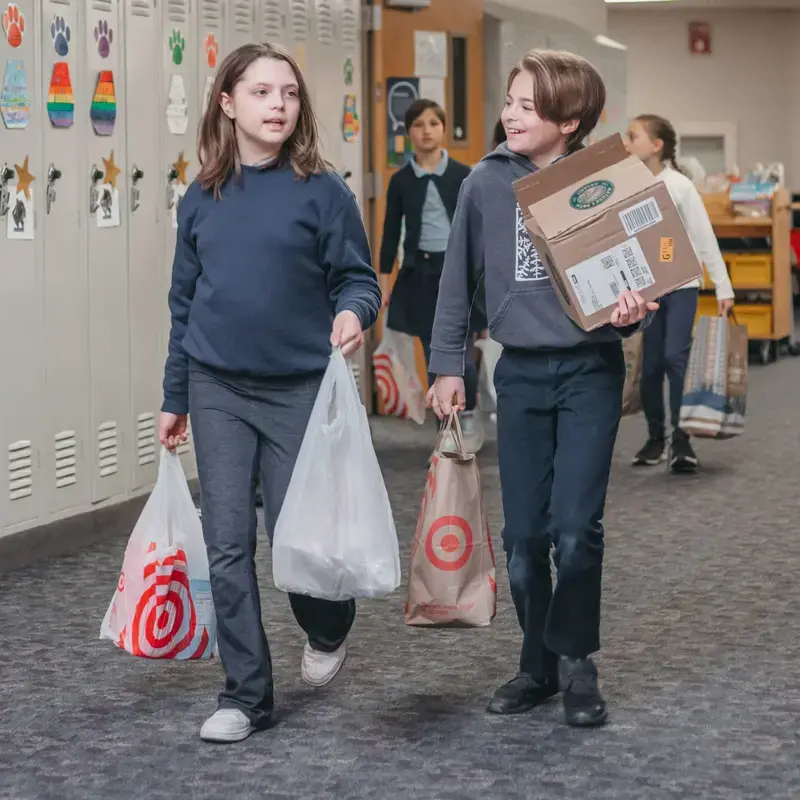
There’s a particular kind of moment that happens on a PreK-12 campus. A Lower School student passes an Upper School student in the hallway. Maybe the older student is carrying an instrument to rehearsal, heading to science class, or laughing with friends on the way to lunch. To the younger student, that teenager seems impossibly grown up. And then, almost before anyone realizes it, the roles change. |
 |
That student becomes a Middle Schooler. The Middle Schooler becomes the Upper School student. Eventually, they are the seniors walking through the same hallways, passing younger students who look at them and imagine who they might someday become.
There are plenty of practical reasons families choose a PreK-12 school. Academic continuity, shared resources, fewer school transitions, and strong relationships between teachers and families. But there is another benefit that is harder to capture in a list: students get to grow up in a community that grows with them.
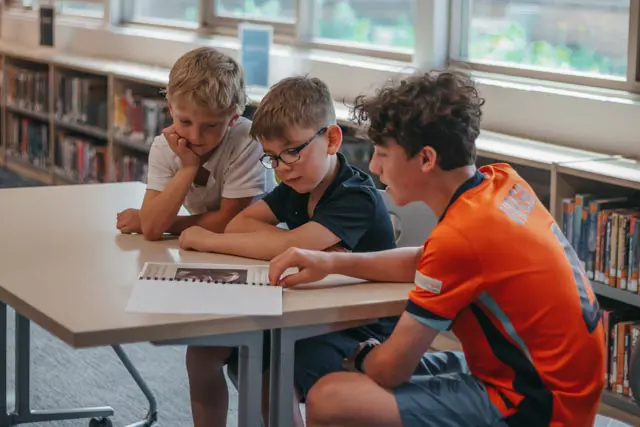
At Mounds Park Academy, that sense of connection is woven throughout a student’s experience. The school’s campus brings together experiences ranging from a whole-school house system and all-school assemblies to Upper School and Lower School reading buddies and countless other cross-age activities that happen every day.
1. There Is Power In Being Known Over Time
Think about how much a child changes between four and 18. Their interests change. Their confidence changes. Their friendships change. They discover what they are naturally good at and what requires more effort. They have teachers who challenge them. They stumble. They surprise themselves.
In a PreK-12 school, the adults around a student have an unusual opportunity: they get to witness that becoming. A teacher may know not just the confident eighth grader standing in front of them today, but something about the path that student took to get there. Teachers across divisions can communicate about what has helped a student thrive and where they may need encouragement or challenge next. After celebrating their final days of Upper School, seniors will sometimes return to the Lower School teachers who were part of the beginning of their educational journey. There is something wonderful about that.
A child should have the opportunity to be known deeply enough that the adults around them can notice not only who they are, but who they are becoming.
2. Younger Students Dream Bigger
One of my favorite things about a PreK-12 campus is how often students get to see beyond their own grade. For a younger child, older students offer a window into what comes next.
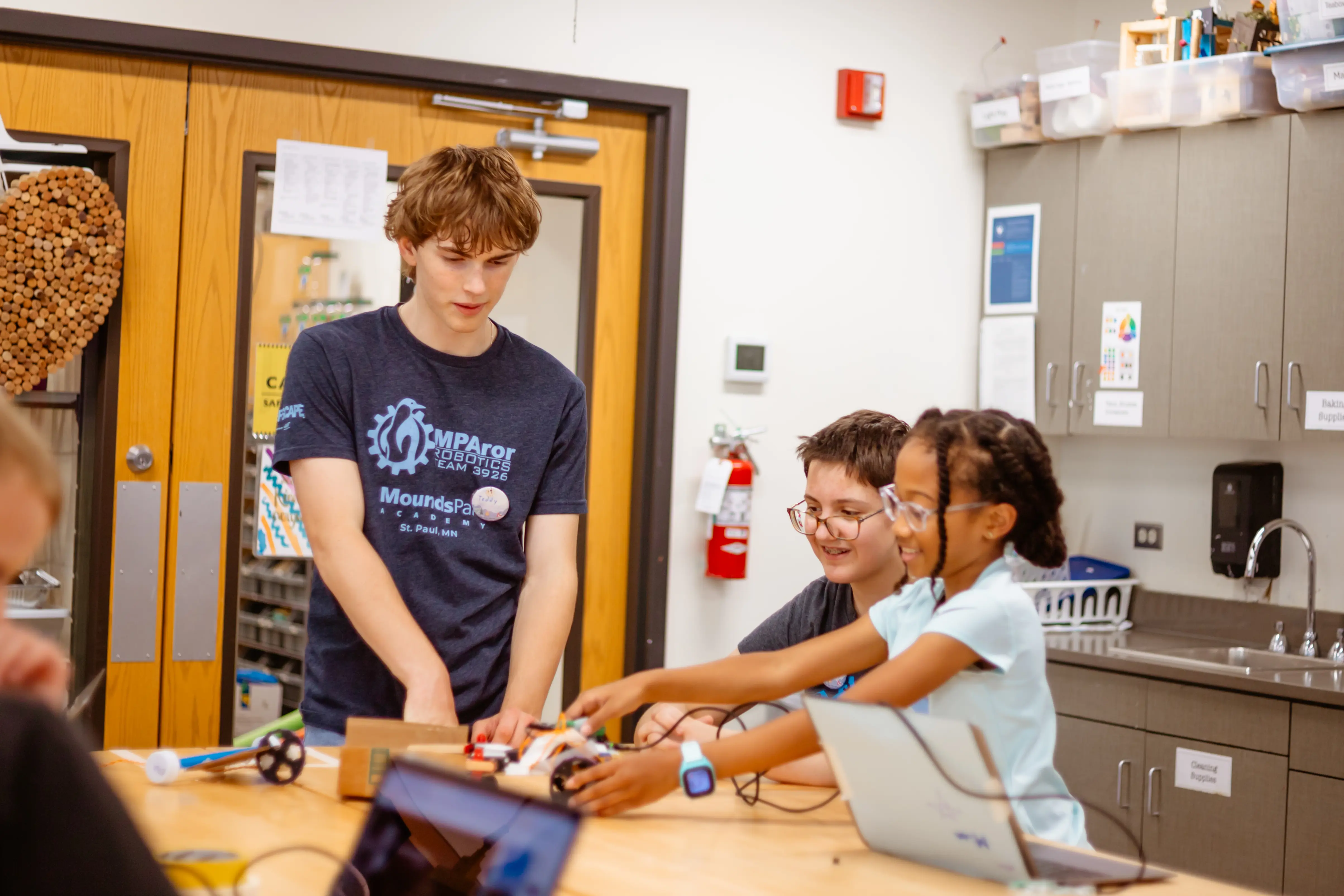 |
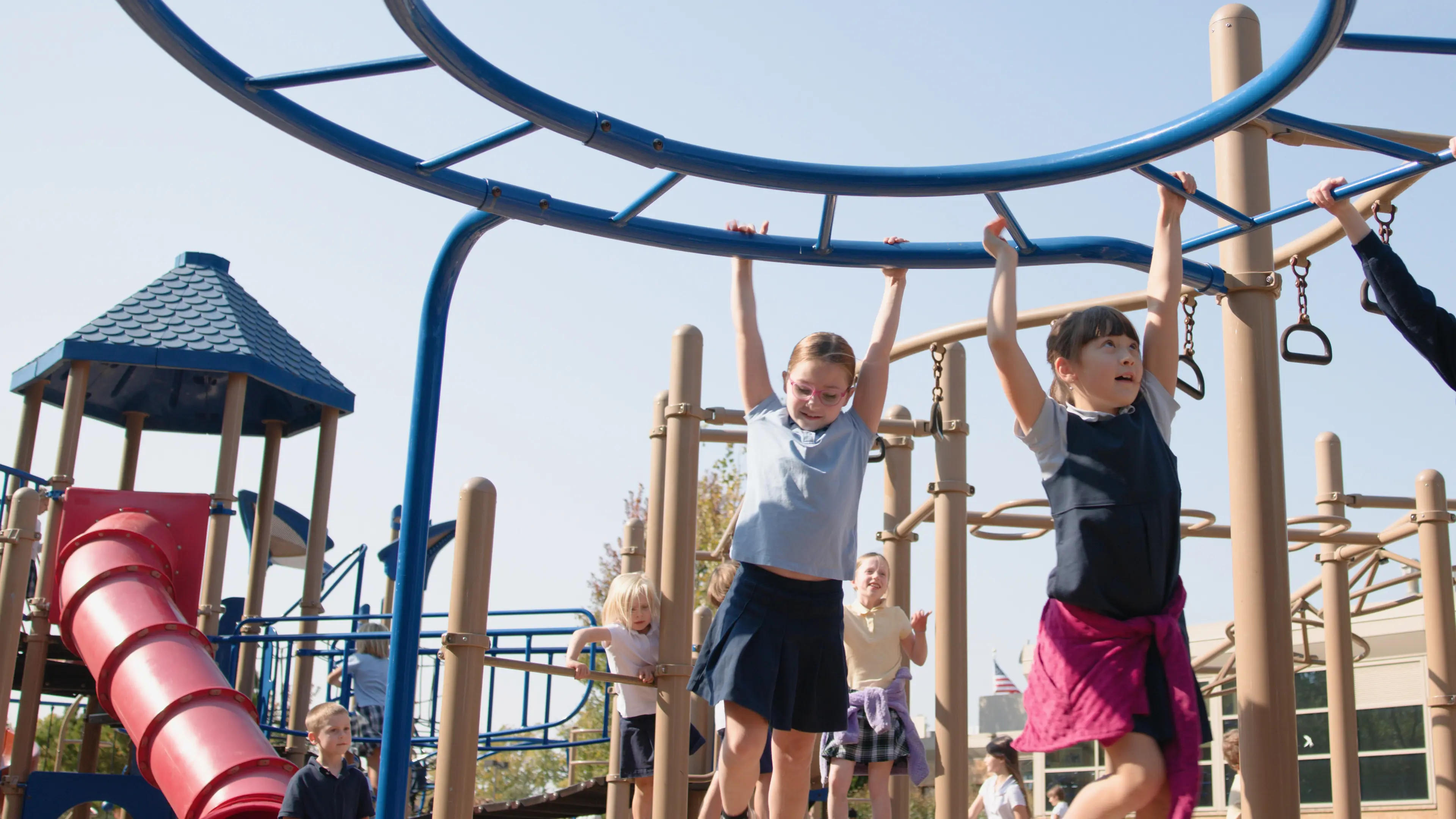
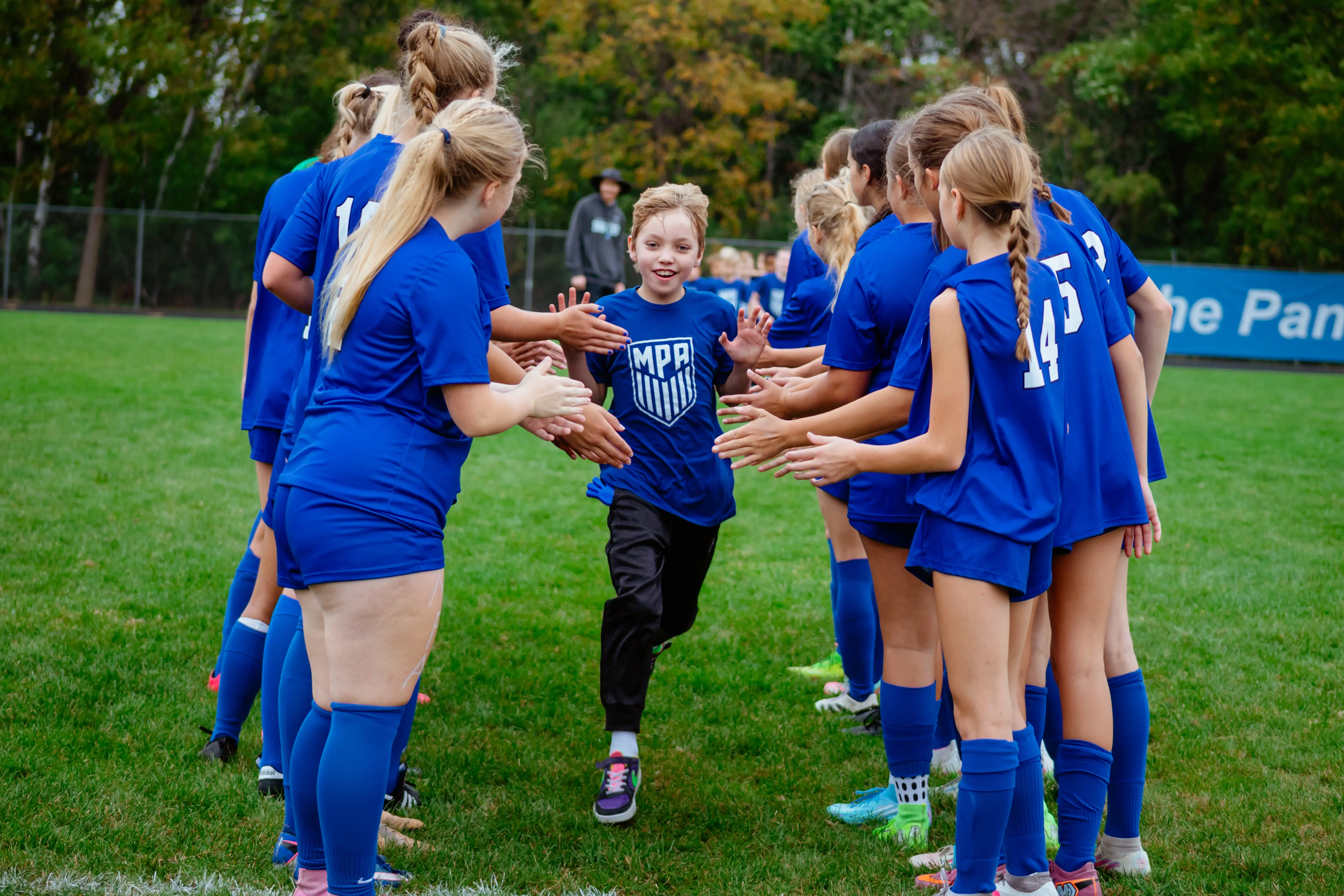
They walk past student artwork hanging in a hallway. They hear about a robotics competition or an Upper School play. They watch athletes compete. They see older students leading, performing, questioning, creating, and finding their place within the community. For a five-year-old, the path from PreK to graduation is almost unimaginably long. But they can see it. And every once in a while, they might see something that makes them think: I want to do that someday. |
3. Older Students See How Much They Have Grown
The relationship works the other way, too. When teenagers regularly share a community with younger children, they are reminded that they were once the little person carrying an oversized backpack down the hallway. That perspective matters.
Older students have an opportunity to recognize that younger children are watching them. Leadership becomes less about having a title and more about understanding your place in a community. How do you welcome someone? How do you treat people when no one is keeping score? What does it mean to be the person someone younger looks up to? Those are lessons in character that can be difficult to teach in isolation. On a PreK-12 campus, there are opportunities to practice them simply by being part of everyday school life. Eventually, a student who once needed someone to show them the way becomes that person for someone else.
4. Moving Up Without Starting Over
Growing up already involves enough transitions. New expectations, new friendships, new responsibilities, new versions of yourself. Moving from Lower to Middle to Upper School should feel significant.
|
Students deserve those moments of independence and the excitement that comes with realizing, "I'm ready for something more. But significant doesn't have to mean unfamiliar. One of the quieter benefits of a PreK-12 education is that students can move forward without necessarily leaving their community behind. The coursework becomes more complex. Expectations increase. Independence grows. But there are still familiar faces, spaces, and traditions they have watched older students experience and can now participate in themselves. |
 |
At MPA, communication among teachers and divisions also allows educators to build on what they already know about a student, helping create continuity as children move from one stage of their education to the next. It gives students something valuable at an age when so much is changing: roots and room to grow.
5. School Becomes Bigger Than Grades
Ask a child about school, and they will probably tell you about their classmates first. And those peer relationships matter enormously. But one of the benefits of a PreK-12 community is that a student's definition of "my school" can gradually become much bigger than the group of children who happen to share their birth year. There are younger students to encourage, older students to learn from, teachers who knew you years ago, and the teachers you haven't had yet.
Families who remain part of the community through different stages of childhood. Instead of repeatedly entering and leaving school communities, students have the opportunity to develop a deeper sense of belonging within one. And belonging gives children an incredibly strong foundation from which to take risks. When students feel known and supported, we can ask more of them. We can challenge them academically. Encourage them to try something unfamiliar. Ask them to speak up, wrestle with a difficult idea, audition for the play, pick up an instrument, try a new sport, or take on a leadership role. They have a home base from which to explore.
6. There Are Practical Benefits, Too
Of course, not every advantage of a PreK-12 school is philosophical. Having multiple divisions on one campus can mean access to an unusually broad collection of teachers, facilities, programs, and experiences throughout a student's education.
At MPA, students learn in a campus environment that encompasses everything from PreK music experiences to Upper School physics, as well as visual arts, orchestra, robotics, athletics, libraries, and more. It also means teachers can think beyond a single year. A Lower School teacher knows that they aren't simply preparing a student to finish fourth grade. They are helping establish habits and skills that another MPA teacher will continue to build upon in fifth, sixth, eighth, and eventually twelfth grade. Education becomes less like a series of individual stops and more like one connected journey.
The Real Benefit Of A PreK-12 School
When families begin researching the benefits of a PreK-12 school, it is easy to focus on what their child won't have to do. They won't necessarily need to change schools after elementary school. They won't need to learn an entirely new campus. Families won't need to begin another school search every few years. Those things matter. But the more interesting question is what students get to do. They get to be little. They get to become big. They get to look ahead at who they might be. And eventually, they get to look back and realize just how far they've come.
At MPA, students are challenged and supported within a community that values curiosity, relationships, deep thinking, and growing into thoughtful, confident individuals. Maybe that's the greatest benefit of a PreK-12 school.
You aren't simply choosing the school your child will attend. You're choosing a community in which they will grow up.