


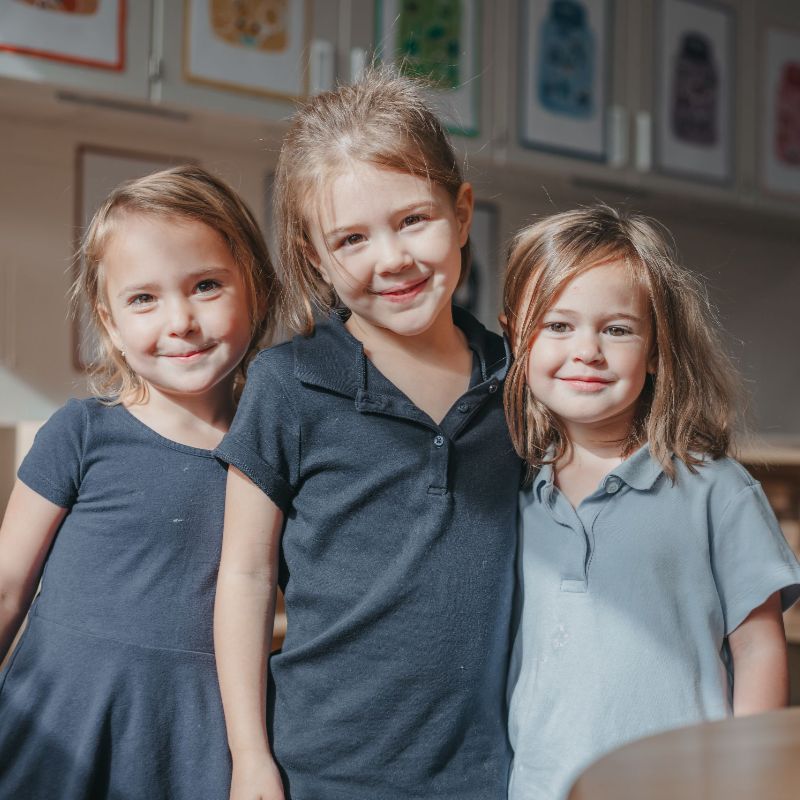

AThe Big Impact Of Small Class Sizes
November 24, 2026

What if the greatest advantage of a small classroom isn't simply more attention from the teacher, but everything that becomes possible when every student is truly known?
At Mounds Park Academy, small class sizes are an essential part of our educational philosophy. With an average class size of 15 students and a 7:1 student-teacher ratio, our classrooms are intentionally designed to foster meaningful relationships, personalized instruction, and active participation. When teachers understand how each child learns, what excites them, and where they need encouragement, students embrace taking risks to discover strengths they never knew they had.
In an August 2026 article published by the National Association of Independent Schools (NAIS) titled “Parent Reflection: Why We Chose a Small Independent School,” president of Regina Dominican High School Krista Edlund Gallagher explores these benefits through the experiences of her own three children. Looking back on their education, she affirms that despite their very different individual personalities, being known at school allowed them the room to develop confidence through meaningful relationships. Her reflection reinforces what MPA educators see every day: a close-knit learning environment gives students room to discover who they can become. From personalized instruction to greater confidence and independence, here are six ways that we see small class sizes help students thrive.
1. Every Student Is Known, Seen, And Valued
In a small class, students are more than a name on a roster. Teachers have the time and opportunity to understand each child's personality, interests, strengths, and individual learning needs. These relationships are foundational to meaningful, joyful learning. When students feel comfortable with their teachers and classmates, they're more likely to participate in discussions, share their perspectives, and seek help when they need it.
"Smaller class sizes allow students to be seen, known, and valued every day," explains Patti Meras, MPA Middle School Assistant Director. "They create more opportunities for discussion, collaboration, feedback, and meaningful engagement."
Gallagher's NAIS reflection also illustrates the lasting impact of a sense of belonging. She describes how her oldest daughter, naturally quiet and hesitant to make mistakes, often struggled to find her voice in a larger middle school setting. By the time she felt comfortable participating, much of the school year had already passed.
But in a smaller high school environment, consistent relationships with teachers and classmates helped her develop the confidence to engage more fully. Now in college, Gallagher reports that her daughter has been recognized by professors for her participation and perseverance. Her experience underscores an important point: students need to feel that their voices matter before they can confidently use them.
At MPA, small classes help make that possible every day. Students have regular opportunities to contribute, engage in thoughtful discussions, and develop relationships with educators who know them as individuals. Over time, those everyday experiences help students build confidence that extends well beyond the classroom.
When students feel known and valued, they are more likely to speak up, ask questions, share ideas, and take intellectual risks.
Patti Meras, MPA Middle School Assistant Director
2. Learning Is Personalized, Not One-Size-Fits-All
No two children learn in exactly the same way or at the same pace. Some students need additional time to master a concept, while others are ready to explore it at a deeper level. Small class sizes give teachers the flexibility to respond to both.
"In a smaller class, teachers can move beyond delivering a single lesson to all students and instead respond to individual learning needs," says Meras. At MPA, that might mean providing additional guidance to a student working on developing a skill, offering an extension activity to someone ready for a greater challenge, or adjusting the pace of a lesson based on students' understanding.
This individualized approach also allows teachers to provide more frequent, meaningful feedback. Rather than simply identifying whether an answer is right or wrong, educators can help students understand their thinking, recognize their progress, and identify their next steps. For Julia Ross, MPA Lower School Learning Specialist, the difference is especially apparent when teachers and learning specialists work together.
"The small class sizes allow us to be more responsive and offer an individualized approach to each learner," Ross explains. Having previously taught first-grade classes of nearly 30 students, she understands firsthand how challenging it can be to recognize and respond to every student's needs in a larger classroom.
Gallagher also highlighted the importance of academic flexibility. She describes how her children were able to move between academic levels as they developed, receiving appropriate challenges while continuing to explore subjects outside their strongest areas. Rather than defining students by a particular academic track, a responsive learning environment allows them to grow, change, and discover new capabilities.
At MPA, this philosophy is central to our approach. Students are challenged appropriately, supported thoughtfully, and encouraged to see learning as an ongoing journey rather than a fixed measure of ability.
3. Challenges Are Recognized Early And Strengths Are Nurtured
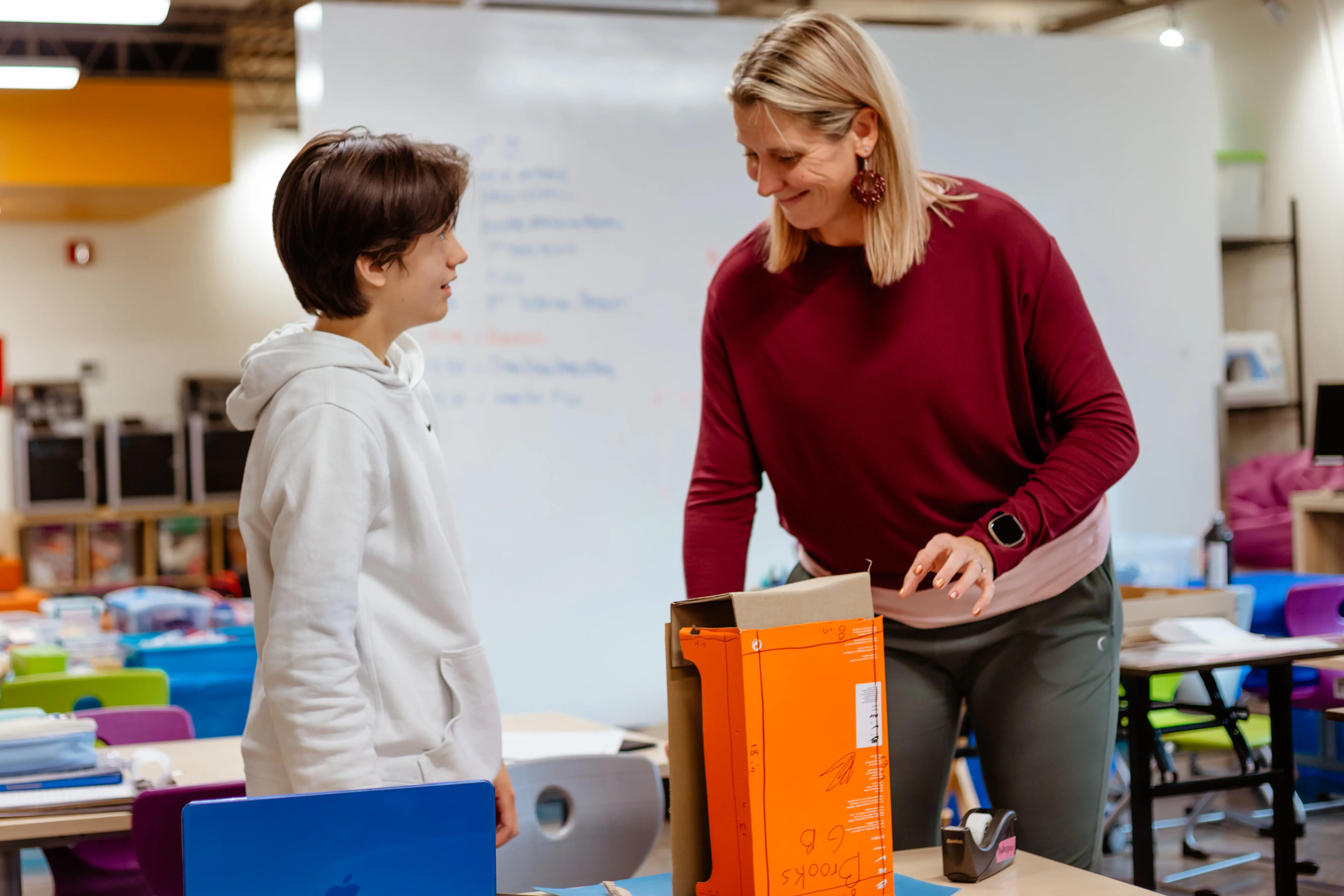
One of the most valuable benefits of small class sizes is something that isn't always immediately visible: the ability to notice the details. A student who suddenly becomes quiet during a lesson. Another who understands a concept but struggles to demonstrate that knowledge on paper. And one who has mastered the material and is ready to take the next step.
In smaller classrooms, teachers can recognize these subtle changes and respond before a student becomes discouraged or disengaged. "Rather than waiting for assessment data alone, teachers can respond in real time because they have ongoing relationships with their students," Meras explains.
Ross has also seen this responsiveness make a meaningful difference. She recalls a Lower School student whose teacher noticed early signs of difficulty with foundational academic skills. Because the teacher knew the child so well, MPA's learning support team was able to intervene before those challenges became more significant.
The student was eventually diagnosed with dyslexia, allowing her teachers and family to develop a more comprehensive understanding of how she learns best. With targeted learning support and individualized reinforcement from her classroom teacher, the student has continued to receive instruction responsive to her needs.
"It's not just about having fewer students in the classroom, but more about giving teachers the time and capacity to notice the small things," Ross shares.
This responsiveness also benefits students who are ready for greater challenges. Teachers can recognize emerging interests, encourage deeper exploration, and offer opportunities for greater independence or leadership. Gallagher makes a similar observation in her NAIS reflection, noting that when adults understood what her children were experiencing academically and personally, they could respond with greater flexibility and care.
The result is an educational experience that recognizes each student as a whole person, not simply a collection of grades or test scores.
It's not just about having fewer students in the classroom, but more about giving teachers the time and capacity to notice the small things.
Julia Ross, M. Ed., MPA Lower School Learning Specialist
4. Students Develop The Confidence To Take Intellectual Risks
Meaningful learning requires more than memorizing information or arriving at the correct answer. It requires curiosity, creativity, persistence, and a willingness to try something that might not work the first time. In smaller classrooms, strong relationships help establish the trust students need to take those risks.
"When students feel known and valued, they are more likely to speak up, ask questions, share ideas, and take intellectual risks," Meras says.
MPA students are encouraged to challenge assumptions, consider different perspectives, and work through complex problems. They learn that mistakes aren't something to fear but an essential part of growth.
This approach reflects MPA's philosophy of rigor with purpose, an academically challenging experience that encourages deep understanding, critical thinking, and meaningful application rather than memorization alone.
As Meras explains, "The goal isn't simply greater participation or harder problems. It's helping students develop the confidence to engage deeply with learning, even when success isn't guaranteed on the first attempt."
Gallagher's reflection offers a complementary perspective on the relationship between confidence and risk-taking, particularly during adolescence. She describes the middle and high school years as an important period of identity development, when students are discovering their strengths, exploring relationships, and developing a sense of purpose.
For her children, this meant having opportunities to try unfamiliar activities without feeling that they needed to excel immediately. Two of her children, for example, joined their school's musical for the first time as seniors. That willingness to try something new, even without prior experience, is an important part of personal growth.
At MPA, students are encouraged to stretch themselves academically and personally, developing the resilience and independence to approach unfamiliar challenges with curiosity rather than fear.
5. Students become Active Participants In Their Learning
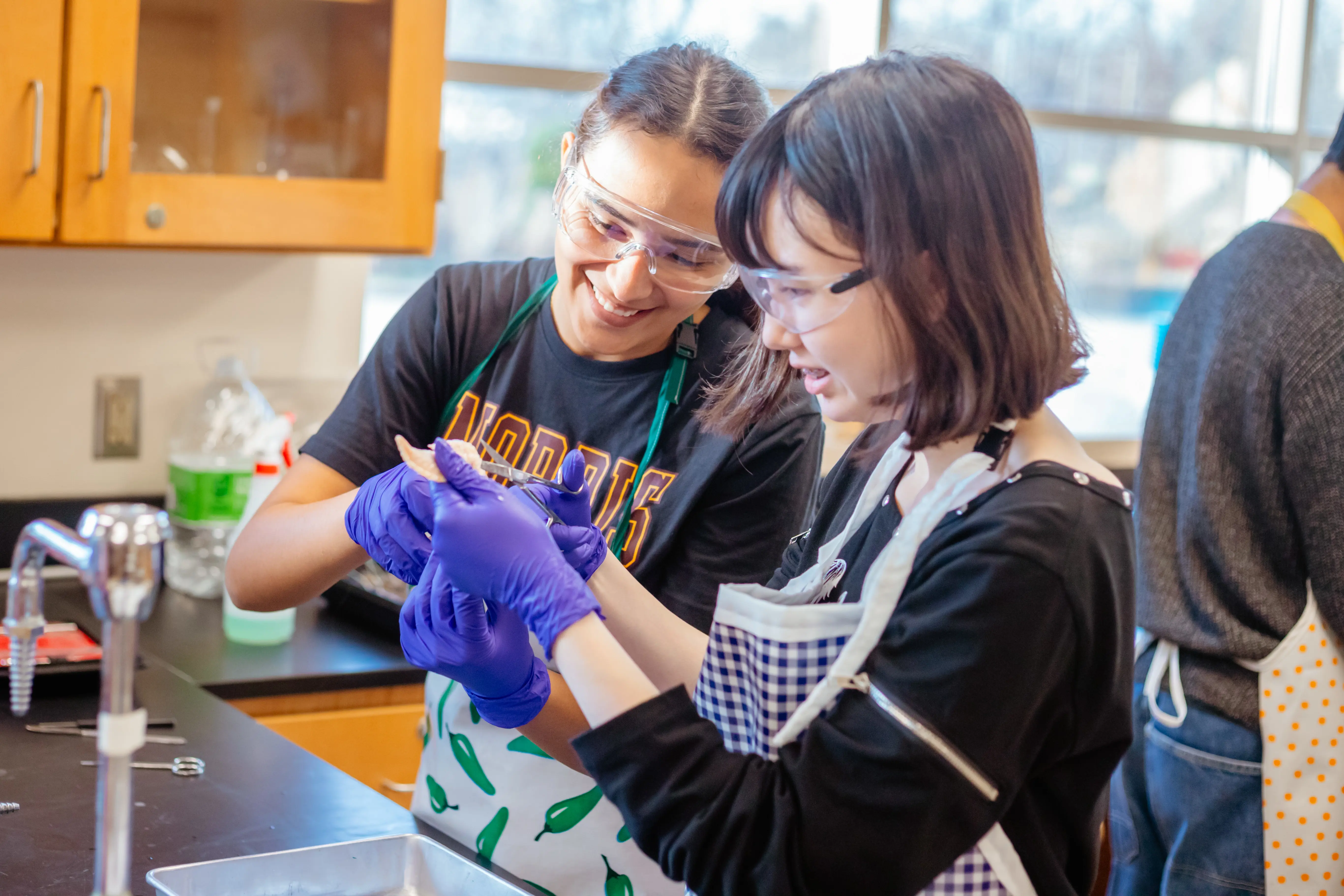
Rather than spending most of their time listening to instruction, students can engage in discussions, collaborate with classmates, conduct experiments, work through problems, and explore ideas through hands-on experiences. At MPA, experiential learning is woven throughout the PreK-12 experience.
One example is MPA's signature Middle School i-Term program, an immersive, weeklong experience that allows students to explore a topic of their choosing through inquiry-based and experiential learning. Students might work alongside experts, investigate questions in the community, or create authentic projects connected to their interests.
"Because students have ownership over selecting a topic that sparks their interest, they often discover new passions, build confidence, and develop skills that may not emerge in a traditional classroom setting," Meras explains. These opportunities demonstrate how a personalized educational environment can encourage curiosity, independence, and a genuine love of learning. At MPA, students are encouraged to explore connections between disciplines, develop new skills, and discover that their interests and abilities can continue to evolve.
6. Students Have The Freedom To Discover Who They Are
Perhaps one of the most lasting benefits is the opportunity for students to explore who they are and who they might become.
Children are multidimensional. A student who excels in mathematics might also love theater. An accomplished athlete might also be pursuing a Graduate Certificate of Distinction in Global Studies. In a community where they are known for who they are, students can pursue these interests without feeling confined to a single identity. Gallagher also references Small School Coalition's, “Small Schools: A Meta Study on the Benefits of Small Schools,” which examines similar themes, especially how smaller school environments can make relationships, learning experiences, and participation more accessible.
This distinction is important: an abundance of opportunities matters, but so does a student's ability to meaningfully participate in them. At MPA, this spirit of exploration extends beyond the classroom through no-cut athletics, visual and performing fine arts, student-founded and led clubs, leadership opportunities, and interdisciplinary learning experiences.
Students don't have to choose between being an athlete and an artist, a scientist and a storyteller, or a leader and a collaborator. They are encouraged by their teachers and their peers to explore multiple interests, form meaningful relationships across the community, and embrace new experiences without the expectation that they must already be the best.
While every child's experience is different, the broader lesson is powerful: When students have opportunities to develop a variety of interests and meaningful relationships, they have more ways to discover their strengths and build a sense of belonging. Small classes and a close-knit community help create the space for that individuality to flourish.
Small Classes Make Room for Growth
Small class sizes alone don't guarantee an exceptional education–their value comes from what dedicated educators can accomplish within them.
As Meras explains, "While class size alone does not guarantee great learning, when combined with skilled educators who are deeply invested in their students, it creates conditions where students are more likely to be challenged appropriately, supported effectively, and known well enough to thrive."
At Mounds Park Academy, that's the kind of growth we strive to nurture every day. Our teachers have the time to recognize individual strengths, respond to emerging needs, encourage intellectual risk-taking, and build meaningful relationships with the students in their care.
And our students have the space to ask big questions, discover new passions, develop lasting friendships, and grow into confident, capable individuals.
Because the greatest benefit of small class sizes isn't simply what students learn. It's who they have the opportunity to become.