November 10, 2025
From Ryan Ghose ’21
Since its founding, MPA has taught students to think critically and communicate effectively—and it seems to be working! Nowhere is this excellence more evident than in MPA’s enduring speech and debate programs, where ambitious students join dedicated coaches every day of the week for practices and competitions. I got the chance to catch up with speech coaches Kari Kunze and Tanner Sunderman, and debate coach Katie Murr, to chart how the activities have evolved over the years and what their hopes are for the future of the programs.
Speech
Some quick facts about the speech team:
Team Size
- 2000: 7 students
- 2003-2008: 100 students (peak)
- 2025: 40 students, but most students compete in two categories (“double entering”).
Format
Most categories have stayed the same since the 90s, with the exception of:
- Duo Interpretation: Introduced in 1996, two people perform an interpretive piece of any genre.
- Program Oral Interpretation: The newest category, students can compile multiple pieces of writing from different mediums to tell a connected story.
- Extemporaneous Speaking and Discussion: The advent of Wi-Fi has given way to online databases and the option to search the web for evidence mid-tournament.
Coaches
Many alumni have come back as assistant coaches, but the biggest shift has been a new head coach, Tanner Sunderman, who took over in 2015!
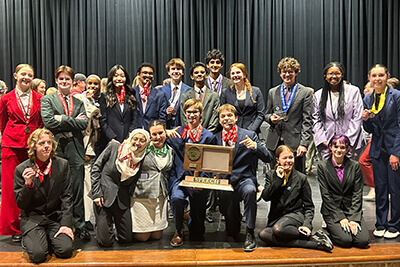
MPA continues to push boundaries in speech, competing in more national tournaments and earning its first national speech and debate association title in 2025. Additionally, Tanner Sunderman shared with me that students last year successfully presented in front of the MSHSL to change the format of Great Speeches to allow for analysis of any type of communication. Check out a tournament next year to see the impacts of MPA students’ advocacy!
 Debate
Some quick facts about the debate team:
Team size
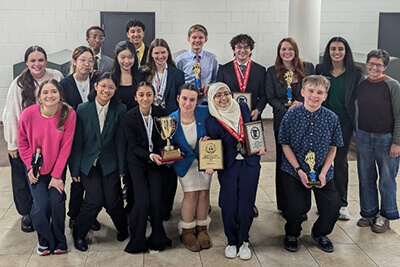
Over the past 20 years, the team size has varied, once requiring all ninth graders to participate. Total size peaked in 2020 during COVID with over 100 students, likely because it was one of the only activities that could continue online during lockdown.
Format
- Pre-2000s: Lincoln/Douglas and Policy styles
- 2000s-Present: “Classic” debate format founded in Minnesota. Additionally, since the introduction of virtual debates in 2020, a couple of tournaments each year allow judges to join virtually from outside Minnesota.
Coaches
Currently, three out of four coaches are MPA alumni, with many more alumni joining to judge tournaments virtually on the weekends!
While many things in debate have changed over the years, MPA doesn’t mind carrying forward some old habits. Ms. Murr tells me MPA debaters still use paper flows and thick evidence binders while other teams have gone fully digital. One could probably debate the environmental impacts of such heavy paper usage, but I’ll let Ms. Murr save that for a future topic.
When asked about said future, Ms. Murr said, “I think my hope for the program is that we continue to equip students to speak up effectively about issues they care about and to see questions from multiple perspectives. Yes, winning is really fun, but the teaching aspect of debate is far more important to me.” Well said, Ms. Murr. I would vote for your side any day of the week.
While I did my best investigative journalism and had fun hearing about stories from decades ago, I may have missed some details, especially pre-2000s! If you have anything you want to add like great memories from tournaments, coaches who made a special impact on your experience, or other facts and tidbits you want to share, please message alumni@moundsparkacademy.org. I’d love to hear it!
Ryan Ghose ‘25
Alumni Board Member

