January 22, 2026
 from Dr. Lori-Anne Brogdon, head of school
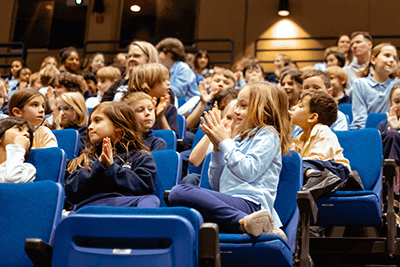
Lately I’ve felt, as I suspect many of you have, a heavier, quieter kind of worry. Over the Martin Luther King Jr. weekend, I took time to reflect on peace, equality, and the lessons my parents taught me about service: that small acts of kindness truly change lives. Hearing our youngest students at their Lower School assembly speak about Ruby Bridges and ways to practice kindness and fairness gave me chills and renewed my hope. I then had the good fortune of walking through the Upper School Commons, where I could see some Upper School students helping one another and connecting across grades, along with their teachers, which makes it very evident to me how our daily choices to connect create belonging.
This week, a group of MPA students, faculty, staff, caregivers, and administrators attended the Pollyanna National Conference: Building Stronger and Kinder Communities. The original plan was to hold the conference in Minneapolis, but organizers pivoted to virtual at the last minute. Though not the same, seeing over 40 schools from across the nation gather and focus on communities offered the encouragement so many of us have been looking for. The conference reminded me why MPA’s commitment to community and deepening relationships matters.
I want to take a moment to offer a few takeaways from two keynote speakers from the conference.
Charles Vogl, the author of “The Art of Community: Seven Principles for Belonging,” shared that in his extensive research on building communities, there are three things that matter most:
- The significance of extending an invitation—an honest invitation alone matters.
- Each of us can be an “elder” for someone else and use our presence and “power” as an elder to welcome and guide.
- Small group “campfire” conversations create the proximity and quiet needed for real connection.
Jamil Zaki, professor of psychology at Stanford University and author of several books on human connection, most recently “Hope for Cynics,” urged us to move from cynicism or complete optimism to “hopeful skepticism.” The latter is an approach that moves people from complacency to keeping an open and constructive mindset that makes decisions based on gathering data, rather than searching for data to only support one way or the other. That idea echoes a key principle of MPA’s mission: we teach students how to think, not what to think.
Wednesday evening, one small and very surprising moment stuck with me: a complete stranger from out of state left a four-minute voicemail for the administrative team. She offered a short exercise when in need of calm that involved linking your fingers together, ensuring your palms are touching, and breathing. She concluded with how she was thinking of our school, our community, and our state. That small gesture brought me to tears and reminded me how much a simple act of care can mean.
If you’re feeling alone or discouraged, please know someone in this community cares about you. Reach out, accept or extend an invitation, and consider joining a small conversation or volunteer opportunity—these are the moments that build belonging in the community I know we all deeply care for, MPA, and beyond.

