October 24, 2024
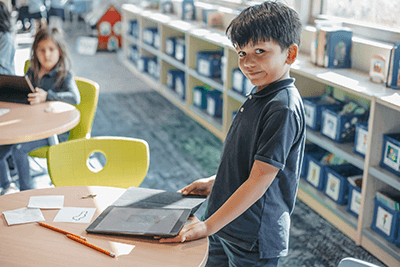 Call for Volunteers: Lower School Halloween Party!
The PA is seeking volunteers to help out during the Lower School Halloween Party in the Lansing Center on Thursday, October 31. Kids will enjoy games, crafts, activities, and an obstacle course during their P.E. time. Join us for part of the day or the whole day! The Lower School Halloween parade will follow the party at 2:30 PM. Sign-up here!
Dr. Hudson’s Book Club Returns Next Month!
All book lovers are invited to join us on November 19 at 6:30 PM in the Martin Lenz Harrison Library for Dr. Hudson’s Book Club. We will be discussing “The Midnight Library” by Matt Haig. If interested, please RSVP here.
Upcoming MPA PA Events
- October 31: PA Lower School Grade Level Halloween Parties, 8:30 AM-2:20 PM
- Friday, November 8: College Admissions Staff Appreciation hosted by MPA PA
- Saturday, November 16: LS Rainbow Club Family Fun Day, 2-4 PM, Lakewood Hills Park (White Bear Lake)
- Tuesday, November 19: Dr. Hudson’s Book Club, 6:30 PM, Martin Lenz Harrison Library
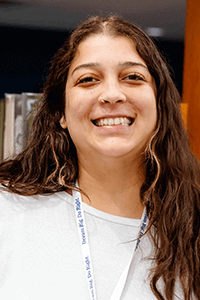 MPA is excited to announce the hiring of Ms. Santina Staydohar as an assistant to the Lower School director! She started on October 9, and we are thrilled to introduce her to the community!
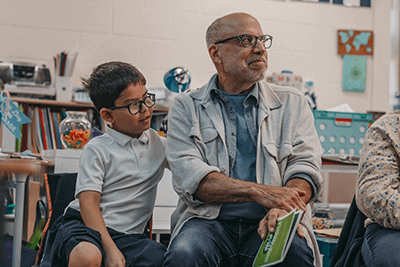 from Dr. Bill Hudson, head of school
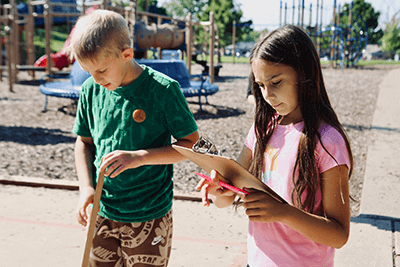 This message is from MPA’s Office of Admission from the October 26 issue of Inside MPA.
 School is back in session, students are back in classrooms, and it’s the perfect season to reflect as a community on how the time we spent on campus led us to where we are today. As MPA alum, we have experienced firsthand the power of a faculty, staff, and community dedicated to helping students discover and develop their passions and dreams.
 This message is from MPA’s Office of Admission from the October 16 issue of Inside MPA.
  Our call to action is simple: be a part of the MPA school community! The goal of the Parents Association is to provide clear, accessible ways for parents/guardians to be active participants in the quality of community that surrounds the student body collectively. Efforts are being made each month to invite you in to learn, support, and lead in partnership with faculty and staff in a variety of ways. Check out what’s coming up this month! Let us know if you see new or different ways to strengthen our efforts by emailing
 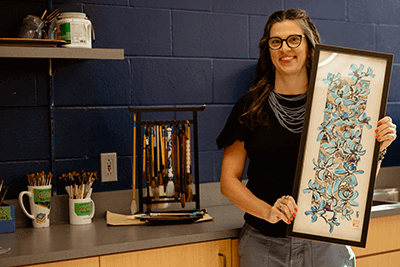 When Renee Sonka, Middle and Upper School visual arts teacher, first started work on her painting “Dancing Flower Collage,” a Sumi-e styled piece, she wasn’t sure how she felt about it.
 from Mark Segal, Upper School director