December 22, 2025
MPA Kindergarten: Where Joyful Learning Begins
Joy is often the first thing families notice at Mounds Park Academy. It’s in the way children arrive eager for the day, in the hum of conversation coming from kindergarten classrooms, and in the confidence students carry as they move through their learning.
When asked what defines the kindergarten experience at MPA, teachers Katie Roche and Kristine Petersen both summed it up in two simple words: “pure joy.”
At MPA, kindergarten is intentionally designed as the starting point for a lifelong love of learning—grounded in curiosity, belonging, and meaningful engagement. Joy is not accidental; it is thoughtfully and purposefully built into every aspect of the experience.
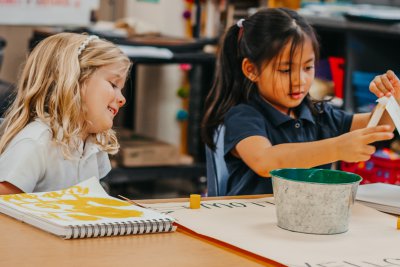
How does joyful learning take shape in MPA kindergarten?
Joyful learning begins with knowing each child deeply. Teachers take time to understand each student as an individual—how they learn, what excites them, and the support they need to grow. This thoughtful attention creates a classroom environment where children feel safe, valued, and ready to take risks, both academically and socially.
Families often describe feeling an immediate sense of warmth when they enter the school. That feeling carries into the classroom, where learning is active, inviting, and engaging rather than forced or transactional. Touching, building, moving, listening, and imagining are central to MPA’s experiential approach to learning.
What does meaningful learning look like for five- and six-year-olds?
At MPA, learning reflects how children naturally make sense of the world. Rather than separating subjects into silos, kindergarteners engage with content in connected, purposeful ways. A single experience may include math, literacy, science, and social-emotional learning woven together through storytelling, problem-solving, and play.
A classroom might transform into an orchard or a marketplace, where students count, measure, create, negotiate, and reflect. Through these experiences, children are not simply absorbing information—they are actively building understanding. Concepts stick because they are rooted in experience, not memorization.
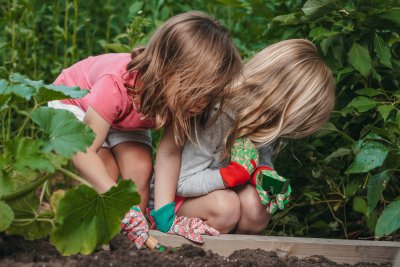
Why is hands-on, experiential learning essential in kindergarten?
Kindergarten students are wired to move and explore, and MPA embraces this by designing lessons that invite children to learn with their whole bodies. Students build, test, experiment, sing, draw, and collaborate daily. Learning feels joyful because it is active and engaging, yet it is also purposeful and thoughtfully planned.
While children may feel they are “just playing,” teachers are intentionally guiding academic growth in literacy, numeracy, problem-solving, and social-emotional development. This approach strengthens confidence, creativity, and the neural connections that support long-term understanding well beyond the kindergarten classroom.
How does kindergarten at MPA prepare students for future success?
The habits formed in kindergarten shape a student’s educational journey. At MPA, students begin to see themselves as capable learners who enjoy challenge and persist through difficulty. Teachers balance high expectations with compassion, ensuring that every child is both supported and stretched.
Small gaps are addressed early, allowing students to move forward with confidence. By the end of kindergarten, students are academically prepared, curious, and genuinely excited about what comes next.
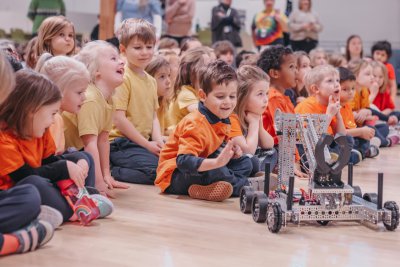
How are character and community woven into daily learning?
Joyful learning thrives in a community built on trust and care. Kindergarten students practice being safe, being kind, and doing right each day. These values are reinforced through CHAMP (Character Happens at Mounds Park), MPA’s character development program.
Students explore traits such as empathy, responsibility, cooperation, and integrity. They are given meaningful opportunities to practice these characteristics in real situations—learning how to listen, resolve conflict, and support one another. These skills are just as essential as reading and math.
What role do relationships play in the kindergarten experience?
Small class sizes allow teachers to truly know each student—their strengths, challenges, and unique perspectives. Classrooms are filled with conversation, collaboration, and shared problem-solving, allowing teachers to tailor learning experiences and ensure every child feels seen and supported.
Within MPA’s close-knit environment, students develop a strong sense of belonging. They know they matter, and that understanding fuels confidence, joy, and a willingness to engage fully in learning.
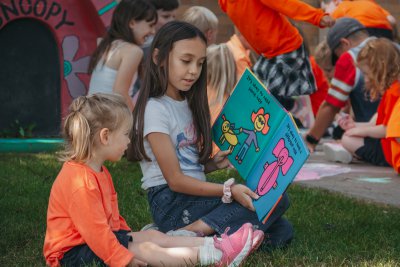
How does MPA expand learning beyond the kindergarten classroom?
Beginning in kindergarten, students learn from specialists in music, art, world language, physical education, library, and technology. These experiences broaden students’ understanding of the world and provide additional ways to express creativity and ideas.
Learning with specialists at a young age reinforces the idea that education is expansive, connected, and full of possibility, supporting MPA’s whole-child approach to learning.
How are families part of the joyful learning journey?
MPA views families as essential partners in a child’s education. Open communication and shared purpose create a strong foundation of trust. Parents often reflect on the happiness their children feel about school, and many note they wish they could have experienced kindergarten at MPA themselves.
When visitors step into a kindergarten classroom, they see engaged learners, thoughtful collaboration, and genuine joy. Foundations of Joyful Learning at Mounds Park Academy is more than a philosophy—it is the beginning of a journey where children discover who they are, how they learn, and how they contribute to a larger community.
Families are invited to visit MPA’s kindergarten classrooms to experience joyful learning in action!
Connect with the Office of Admission to schedule a tour.
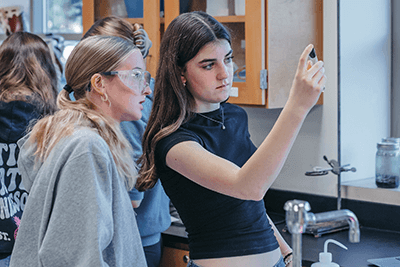 Unique experiences, a warm and welcoming community, and support when needed have been Rosie Bergh’s experiences at Mounds Park Academy. Continue reading for Rosie’s top-five things to know at MPA!
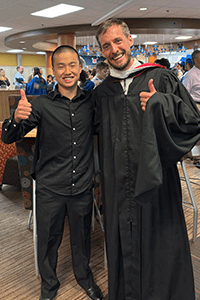 From fine arts to an opportunity for creative outlets, Mounds Park Academy pushes Sean Barker while allowing him space and individualized attention to grow. Read on for Sean’s top-five things to know at MPA!
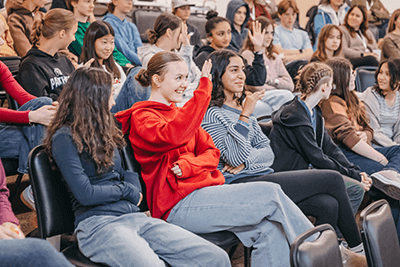 Mounds Park Academy gives Holland the space to grow her interests while pushing her academically. Keep reading for the five things she thinks you should know about the MPA.
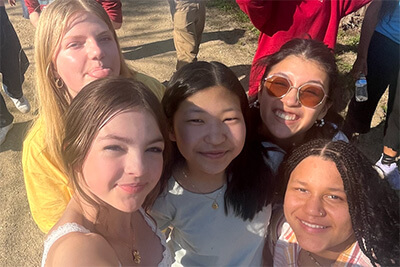 A lot of things make MPA special, but for eighth grader Aili, these are the top five things that stand out the most!
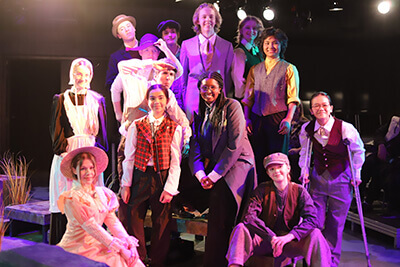 At MPA, Andrea pursues her interests while engaging in rigorous academics. Read on for what she thinks are the five things you should know about MPA!
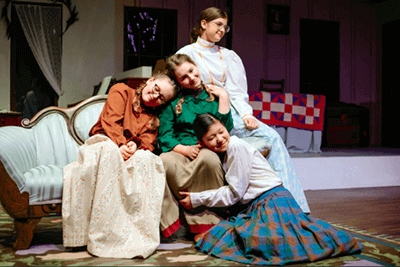 PreK-12 life, teachers who care, a 32-acre campus, and more–read about Hannah’s MPA experience through her top five things to know!
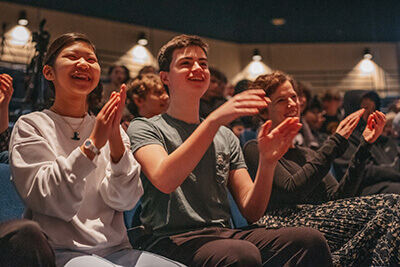 Middle School student Ford B. shares five key things about his MPA experience, including discovering passions, finding his place here, and skills he’s built upon.
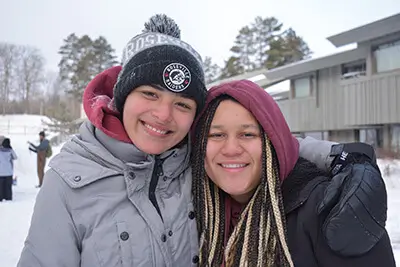 Leadership opportunities, getting to explore her passions in the arts, and bonding as a class–these are the five things Elizabeth ’27 wants you to know about MPA.
 What five things do you need to know about MPA? MPA tenth grader Emily Baker is here to tell you. We’re so happy to see the campus pond and native gardens made her list!