May 17, 2023
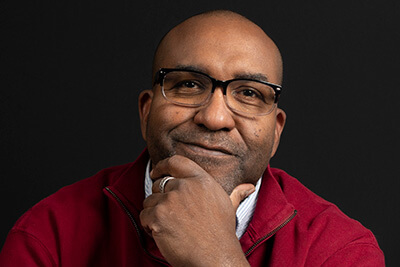 We are so excited to welcome Rudy Ford to MPA as our new director of after-school and summer programs. We’re incredibly happy to have him, and we can’t wait to see all of the enhancements and growth he will bring to the program. Rudy will be starting May 31, so make sure to stop by and give him a warm MPA welcome!
What position will you be holding at MPA?
Director of After School and Summer Programs
From what school/organization are you coming?
Sylvan Learning—Twin Cities
Tell us about your education and past experience.
I am a graduate of Williams College and pursued graduate studies at Loyola University (Maryland). I have spent over 30 years in education as a teacher, coach, admissions director, and Middle School principal. Notable stops include Moravian Academy in Bethlehem, PA; Dedham Country Day School just outside of Boston, MA; Charles Wright Academy in Tacoma, WA, and St. Paul Academy and Summit School in St. Paul, MN.
What did you find appealing about MPA?
MPA’s spirit and culture are a match for my background and experience, and those features are tangibly present from the moment you enter the campus. MPA is the only school I’ve encountered that included a demonstration lesson as part of a leadership interview—and that speaks volumes about what is important here. I have never been made to feel more welcome or valued during a school visit.
What lasting impact do you plan to have on MPA?
I look forward to bringing new ideas, energy, and growth to the Panther and summer programs—all the while continuing to keep kids safe, happy, and learning. I’d love to see kids choosing to stay for Panther Program events even when they have the option to go home, and I’d love to see the summer program be something that draws kids from all over the twin cities for its vibrant and innovative program.
What’s your big dream?
I see “off hours” from school and summer days as having just as much potential to provide formative, impactful experiences for kids. I look forward to the day when kids return to tell us how much some of their experiences in those times have meant to them.
What are you passionate about?
I am passionate about my family, my ‘extended family’ of great friends, music, and baseball (go Red Sox)! I am passionate about teaching and learning—both of which I have always done and can’t imagine doing without. I love woodworking, cooking, kayaking, and studying music.
What’s a fun fact about you that our community would love to know?
I recently joined a band based in St. Paul to play bass guitar and sing.
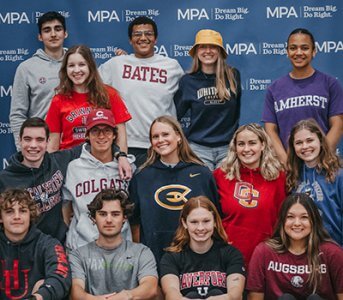 This Monday was an exciting day for Class of 2023 student-athletes and their families! Fifteen members of the class are moving on to participate in college athletics—that’s 25%! The entire Upper School student body gathered in the Lansing Sports Center to celebrate their selections and wish them well. Go Panthers! For the full album of photos, click here.
 Pre-K: Details coming soon
 What’s the best thing about being part of the MPA community?
 from Bill Hudson, head of school
 Thank You!
 What position will you be holding at MPA?
 from Bill Hudson, head of school
 from Ann Jurewicz, Lower School director
 from Jenn Milam, Middle School director