June 2, 2020
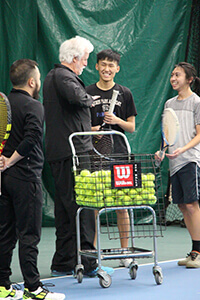 Please join in the celebration of the service work for the class of 2020 in a virtual display on the MPA website. Due to the COVID19 pandemic, the annual Senior Service Fair could not be held on campus as usual, so the Fair was moved to a virtual format allowing seniors to share their service reflections with the larger community. While we all wish we could be together in person, this online display is still a great celebration of what the seniors were able to get done. Given the events of the spring of 2020, their accomplishments are especially hopeful and impressive.
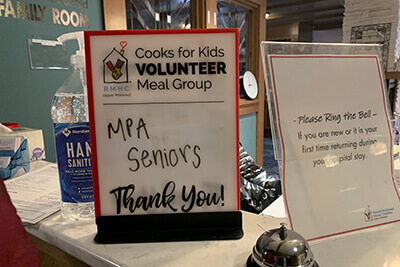
There were a large variety of service projects this year. Students did work with the Minnesota Youth Ski League, volunteered with the organization Serving Shepherds, coached for a local tennis nonprofit, delivered meals for Meals on Wheels, and much more. Senior Aaliyah Kellogg volunteered with a nonprofit called Female Refugees for the Future, which was started by two of her classmates, Nasri Maktal and Priya Manda. The organization aims to help first generation women and immigrants through service and education. “I’m so appreciative of this opportunity to connect with womxn and hear their perspective and experiences,” shared Aaliyah, “It is so important for people to be allies for other groups as they can help amplify and spread their message while still giving individuals the platform to do so, and I’m so grateful I was able to do this.”
 Nathan Harvanko conducted research for the History Unfolded, which is a program run by the National Holocaust Museum in Washington D.C. “I looked through newspapers from the Twin Cities and St. Cloud,” said Nathan, “and found many interesting articles which told bits and pieces of the story of the Holocaust.” Nathan’s research helps the National Holocaust Museum gain a bigger picture about how Americans were learning of the Holocaust through their daily newspapers.
These highlighted service projects are only a small snapshot of how the Class of 2020 gave back to their communities this year. Visit the Upper School Community Service Project page to read more about their projects.
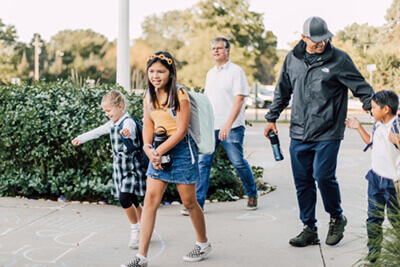 At Mounds Park Academy, our community is built upon shared values, strongly committed to freethinking and collaboration, diversity and connection. Right now, our shared commitment to each other is helping us collectively get through today’s uncertainty with understanding and compassion. Our whole-child approach that attends to the intellectual, social and emotional growth of our students is apparent now more than ever, even though we are not physically together.
 As the 2019–20 school year comes to an end, we’re sharing the college choice stories of the Class of 2020!
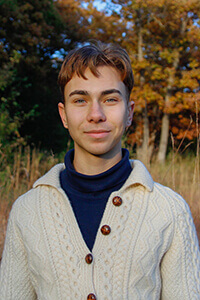 The following essay is adapted from MPA Class of 2020 member Jordan Akers’ Senior Speech.
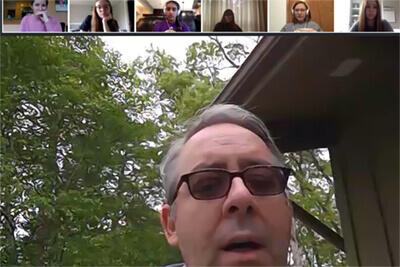 During their lunch and recess on Thursday and Friday, Social Consciousness And Racial Justice & Equity Club hosted two Zoom sessions with Upper School students, Middle School students, and faculty and staff to discuss, listen, and reflect on racism in Minnesota and the devastating murder of Minneapolis man, George Floyd, which has mobilized millions to protest on social media and participate in protests across the country.
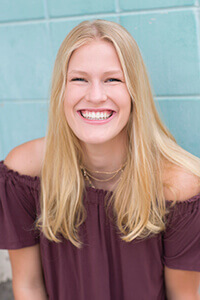 As the 2019–20 school year comes to an end, we’re sharing the college choice stories of the Class of 2020!
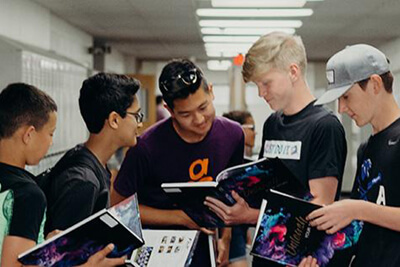 Save the date for the Virtual Yearbook Assembly next week! The MPA Yearbook Assembly will be held virtually at 9 AM on Friday, June 5.
 In honor of Sage Dining’s 30th birthday, Sage has added six new cooking demonstrations to the SAGE at Home video showcase! This week’s theme focuses on the Crossroads concept, the intersection of fun and flavor, where Sage offers an ever-changing variety of dishes with a street-food twist.