June 22, 2022
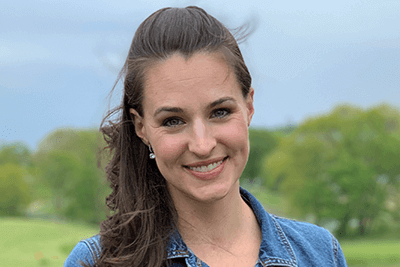 What position will you be holding at MPA?
Assistant Director of Admission, Lower School
From what school/organization are you coming?
I worked at Como Friends prior to being a full-time stay at home parent.
Tell us a little bit about your education and past experience.
I have a bachelor’s degree in Political Science from the University of Minnesota, Twin Cities. After graduating I worked in various fields from management to patient care at children’s hospitals. I was able to find my true passion for non-profit work while working at Como Friends, the fundraising arm for Como Park Zoo and Conservatory in St. Paul. It was at Como Friends that I realized my desire to work with the good intentions of the human spirit while developing meaningful relationships.
What did you find appealing about MPA during the interview process?
MPA emits a sense of hope for the future of our world while expecting respect and true communication in ways that are difficult to come upon, let alone practice in our current world. These feelings and expectations were present during every aspect of the interview experience, with every panel member, and each thought-out question and conversation. The entire process was thoughtful which is a genuine reflection of MPA and their approach to learning. Read More
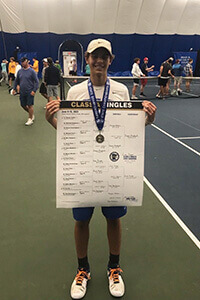 Congratulations to Evan Fraser, the 2022 Class A Singles State Champion in Boys Tennis! Evan is from Nova Classical Academy and a member of the Panthers Co-op.
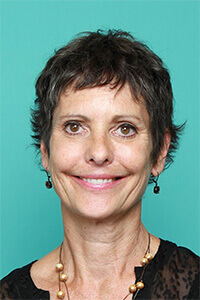 Please help us welcome Dr. Ann Jurewicz, interim Lower School director, to MPA!
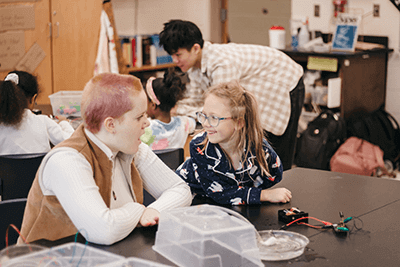 from Dr. Bill Hudson, Head of School
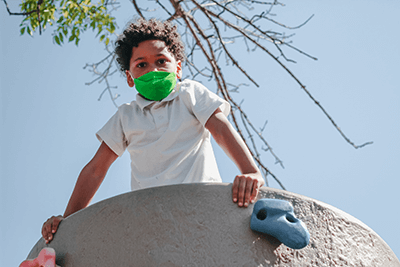 from Renee Wright, Lower School Director
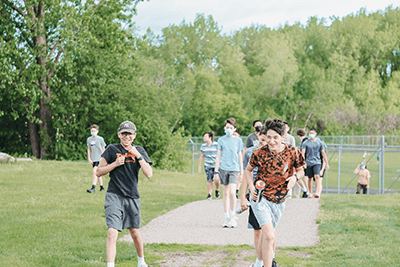 from Dr. Jenn Milam, Middle School Director
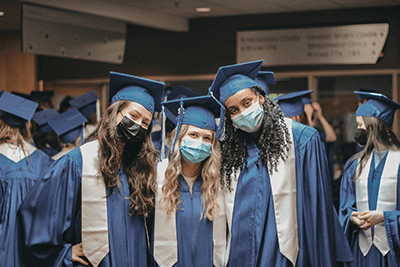 from Mark Segal, Upper School Director
 Open Garden with Michelle Mick
 from Lamar Shingles, Director of Equity and Belonging